Source Metal Phone Stickers for Decor, Gifts, and Branding
Explore 30 listings for metal phone stickers featuring custom shapes, waterproof vinyl options, and various plating finishes. Buyers can compare specifications like die-cutting processes, attachment types, and packaging details to find suitable suppliers for personal decorations, promotion gifts, and souvenirs.
Key considerations
Products List
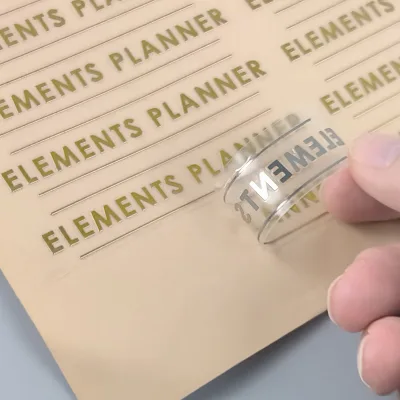


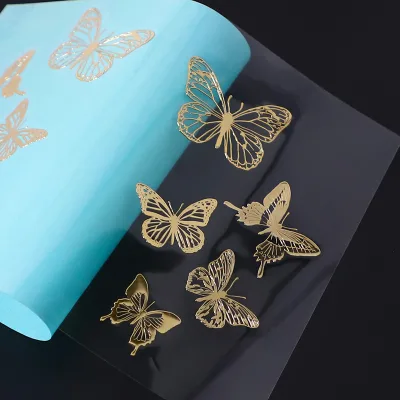


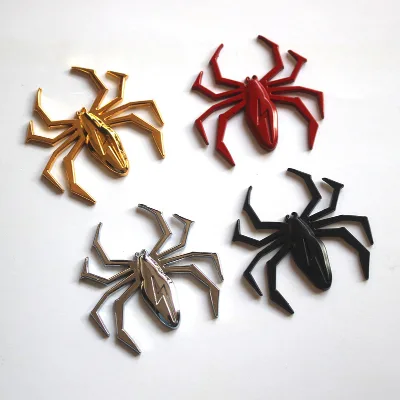


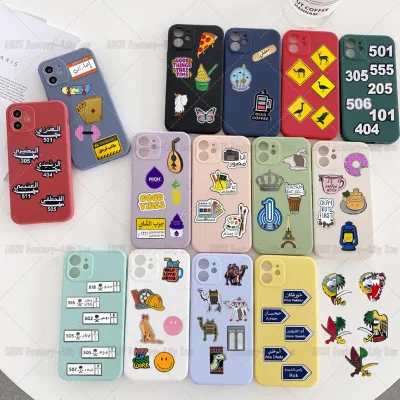


Comprehensive Sourcing Guide
Metal Phone Stickers Sourcing Guide
Sourcing metal phone stickers requires a nuanced understanding of material properties, decorative finishes, and adhesive performance. These items serve as both protective accessories and aesthetic enhancements, allowing brands to embed logos or custom designs directly onto device surfaces. Buyers must distinguish between standard vinyl decals and premium metal-constructed badges, as the latter involves more complex manufacturing processes such as die casting, die striking, or photo etching. The choice of material significantly impacts durability, weight, and the overall perceived value of the final product.
Procurement teams should evaluate the interplay between the metal substrate and the attachment method. While some products utilize adhesive backing for direct application, others may require mechanical fasteners or specialized mounting systems. The visual appeal often relies on plating techniques like gold, silver, or rainbow finishes, combined with enamel work or laser engraving. Understanding these technical distinctions is crucial for aligning supplier capabilities with specific brand requirements, ensuring that the final product meets both functional and aesthetic expectations without compromising the integrity of the phone’s surface.
Product Scope and Observed Listing Signals
The market for metal phone stickers encompasses a wide range of decorative and functional items, often categorized under broader labels like custom stickers, promotional gifts, or personal decorations. Listings frequently highlight versatility, noting suitability for home decor, commerce gifts, or religious crafts, which suggests a broad application scope beyond mere device protection. Buyers should observe that many suppliers offer customized sizes and shapes, including round, rectangular, hexagonal, or irregular forms, allowing for unique branding opportunities. This flexibility is a key selling point for businesses seeking distinctive merchandise that stands out in a crowded marketplace.
Observed listing signals also reveal a strong emphasis on customization capabilities, with many suppliers accepting custom orders and logos. The presence of attributes like "Creative Style" and "Customized Logo Printed" indicates that these products are often used for marketing purposes or as high-end souvenirs. Additionally, the mention of various printing handling methods, such as UV digital printing, offset silkscreen, and gold stamping, suggests that suppliers can achieve high-fidelity reproductions of complex designs. Buyers should verify if these decorative techniques are compatible with metal substrates, as some methods may be better suited for vinyl or paper-based alternatives.
Technical Specifications to Verify
When evaluating metal phone stickers, buyers must closely examine the material composition and processing methods. Common materials include alloy metals, which provide durability and a premium feel, though some listings may also reference vinyl or other composites. It is essential to confirm whether the product is die-struck, die-cast, photo-etched, or laser-engraved, as each process affects the depth, detail, and cost of the final item. The plating options, such as polished gold, silver, nickel, or brass, should be verified for color consistency and resistance to tarnishing, especially if the stickers are intended for long-term use in varying environmental conditions.
Adhesive performance and attachment mechanisms are critical technical factors that require rigorous testing. Buyers should inquire about the type of adhesive used, ensuring it is strong enough to hold the metal piece securely but removable without damaging the phone’s finish. Some products may feature butterfly clasps, rubber clasps, or other mechanical attachments, which offer alternative mounting solutions. Additionally, the thickness and weight of the sticker, often specified in single gross weight metrics, can impact the user experience and the phone’s balance. Verifying these specifications helps prevent issues like peeling, scratching, or excessive bulkiness.
Compliance and Safety Documentation
Safety and regulatory compliance are paramount when sourcing products that come into direct contact with electronic devices. Buyers should request documentation confirming that the materials used are free from harmful substances such as lead, cadmium, or nickel, which can cause allergic reactions or damage device components. While specific certification statuses may vary by supplier, it is advisable to ask for material safety data sheets (MSDS) or compliance certificates that align with international standards for consumer goods. This due diligence ensures that the products are safe for end-users and reduces the risk of liability issues associated with toxic materials.
Environmental regulations and recycling guidelines also play a significant role in the procurement of metal accessories. Buyers should verify if the manufacturing processes adhere to eco-friendly practices, such as using water-based inks or reducing waste during production. Additionally, understanding the recyclability of the metal alloys and plating materials can enhance the brand’s sustainability profile. Suppliers should be transparent about their environmental policies and any certifications they hold, such as ISO 14001 for environmental management. This information is crucial for companies aiming to meet corporate social responsibility goals and appeal to environmentally conscious consumers.
Cost Drivers and Commercial Terms
The cost of metal phone stickers is influenced by several factors, including material selection, complexity of design, and order volume. Premium metals like brass or copper, along with intricate plating and enamel work, will naturally increase the unit price compared to simpler alloy constructions. Buyers should also consider the impact of customization, as custom molds for die-struck or die-cast designs often incur setup fees. Understanding these cost drivers allows procurement teams to negotiate more effectively and allocate budgets appropriately, balancing quality expectations with financial constraints.
Commercial terms, such as minimum order quantities (MOQ) and lead times, are critical for supply chain planning. Listings often indicate MOQs ranging from small batches to larger volumes, with lead times varying based on production complexity. Sample times are typically shorter, allowing buyers to evaluate quality before committing to mass production. Buyers should clarify payment terms, shipping methods, and return policies to mitigate risks. Establishing clear communication regarding these terms ensures a smoother procurement process and helps avoid unexpected delays or costs that could disrupt project timelines.
Supplier Qualification and Quality Control
Evaluating supplier qualifications is essential to ensure consistent quality and reliable delivery. Buyers should assess the supplier’s manufacturing capabilities, including their experience with metal processing techniques like laser engraving, die casting, and photo etching. A robust quality control process, such as 100% inspection before packing or spot inspections, is a strong indicator of a supplier’s commitment to excellence. Buyers should request samples to verify the finish, adhesion, and overall craftsmanship, ensuring that the products meet their specific standards before placing large orders.
Communication and responsiveness are also key indicators of a supplier’s reliability. Buyers should gauge how quickly and thoroughly suppliers respond to inquiries, particularly regarding technical specifications and customization requests. A supplier that provides detailed information and proactive support is more likely to deliver a satisfactory outcome. Additionally, checking for any relevant industry certifications or past client testimonials can provide further assurance of the supplier’s professionalism. Building a strong relationship with a qualified supplier fosters trust and facilitates smoother collaboration on future projects.
Long-Term Procurement Checks
Long-term procurement success depends on continuous monitoring of supplier performance and product quality. Buyers should establish key performance indicators (KPIs) to track metrics such as on-time delivery, defect rates, and customer satisfaction. Regular audits and feedback loops can help identify areas for improvement and ensure that suppliers maintain their standards over time. By staying engaged with suppliers and addressing issues promptly, buyers can mitigate risks and maintain a stable supply chain for metal phone stickers.
Market trends and technological advancements also require ongoing attention. As consumer preferences evolve, buyers must stay informed about new materials, finishes, and design trends that may impact product appeal. Regularly reviewing supplier portfolios and exploring new sourcing options can help buyers remain competitive and innovative. Additionally, maintaining open lines of communication with suppliers allows for early detection of potential disruptions, such as material shortages or regulatory changes. Proactive management ensures that the procurement strategy remains aligned with business goals and market demands.
FAQs
What materials are used for metal phone stickers?
Metal phone stickers are typically made from alloy or vinyl materials, depending on the decorative effect and durability you need. Alloy versions deliver a solid metallic finish, while vinyl offers flexibility and waterproof performance. Buyers can also choose plating colors such as polished gold, silver, nickel, brass, copper, or rainbow, with enamel and backside texture options available for custom orders.
Can metal phone stickers be customized with my own logo?
Yes, custom logos and designs are accepted, including customized logo printing on stickers. Suppliers support artwork submitted by buyers, and customization covers size, shape, plating color, attachments, and packaging. Common sizes range from about half an inch to five inches, with fully customized dimensions available. Send your vector artwork and requirements so the factory can confirm feasibility before sampling.
Which printing and finishing processes are available for these stickers?
Available processes include die struck, die cast, photo etched, and laser engraving for metal pieces, plus laser printing, CMYK and Pantone offset printing, UV digital and UV offset printing, silkscreen printing, gold stamping, etching, die cutting, and thermal printing for sticker surfaces. Color craft options cover soft enamel, imitation hard enamel, and hard enamel, letting you match brand colors precisely.
How long do sampling and mass production take?
Sample time is typically three to five days, and mass production takes about ten days after approval. Lead times can vary with order quantity, plating complexity, and attachment choices such as butterfly clutch or rubber clasps. Quality control includes one hundred percent inspection before packing, or spot inspection depending on the agreed arrangement, so confirm the inspection method when requesting quotes.
What packaging options can I choose for metal stickers?
Packaging choices include single items in OPP bags, backer cards with OPP bags, bubble bags, plastic boxes, PVC packaging, and velvet boxes for premium presentations. Paper cards in 300gms and 600gms weights are available for carded packaging. A single package size of five by eight by zero point two centimeters and a gross weight of about zero point zero two kilograms keep shipping costs low.
Which shapes and attachment styles are offered?
Sticker shapes include round, rectangular, oblong, hexagon, octagon, triangle, pentagonal, and irregular die-cut forms. For pin-style metal pieces, attachments include butterfly clutch, rubber clasps, jewelry fittings, deluxe clutch, and safety pins. Assembly options such as spinner, slider, blinker, dangler, puzzle, and pin-on designs are also supported, allowing creative product variations for promotions, souvenirs, or personal decorations.
Can I order small quantities of customized metal phone stickers?
Yes, custom orders are accepted and minimum order quantities vary by product, with observed MOQs ranging from one piece to one thousand pieces. Low MOQs are common for stock designs, while fully customized shapes, plating, or packaging may require larger commitments. Discuss your target quantity, size, and design complexity with suppliers to find options that match small trial orders or bulk campaigns.